Choosing between artificial turf and natural grass is about more than deciding which lawn looks better. For San Diego homeowners, factors such as water use, maintenance, durability, appearance, and how the yard will actually be used can all influence the right choice.
San Diego’s climate also makes the decision especially relevant. The City of San Diego emphasizes ongoing water conservation, and permanent water-use restrictions apply to outdoor irrigation within the city’s water service area. Homeowners are required to avoid irrigation runoff and follow watering-time restrictions for residential landscapes.
For homeowners considering a lawn upgrade, understanding the differences between artificial turf and natural grass can make it easier to choose a landscape that fits both the property and lifestyle.
Natural grass requires regular irrigation to maintain a green appearance, particularly during San Diego’s drier periods. The amount varies depending on the grass species, weather, soil, irrigation system, and other site conditions. UC Agriculture and Natural Resources notes that California turfgrass water requirements vary by species, with warm-season grasses generally requiring less water than cool-season varieties.
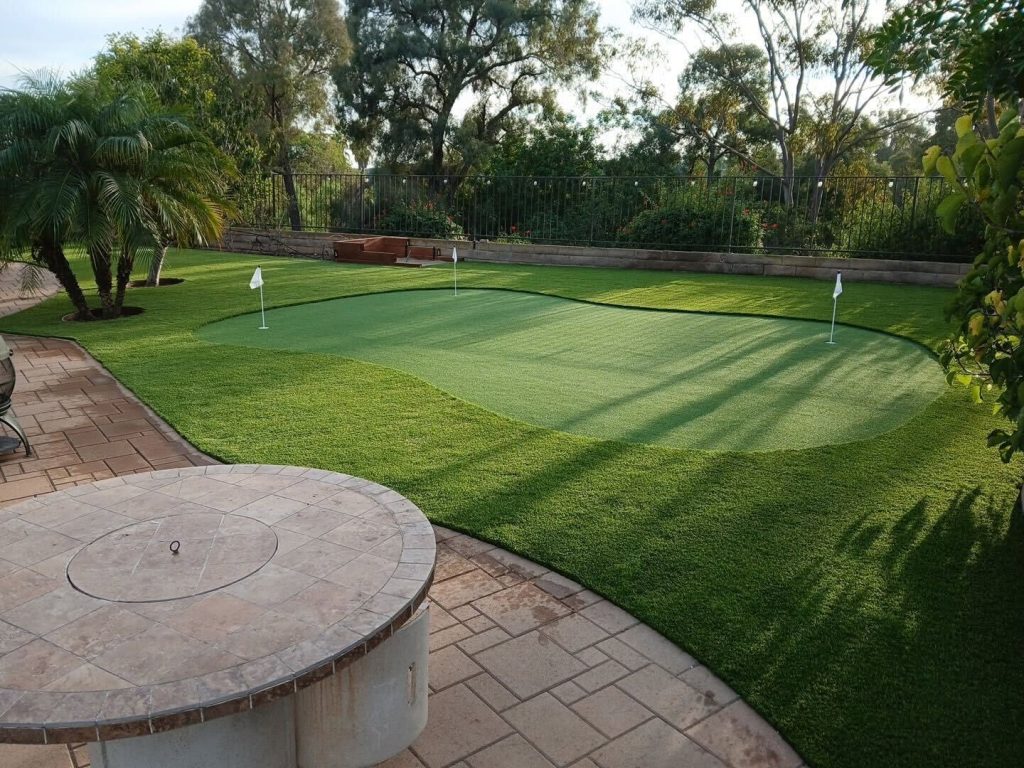
Artificial turf does not need regular irrigation to stay green, which can make it an appealing option for homeowners looking to reduce the amount of water dedicated to lawn maintenance. However, artificial turf is not the same thing as a water-wise landscape overall. Other plants, trees, and landscaping features may still require irrigation.
San Diego homeowners should also understand that local regulations can affect turf choices. City regulations limit the amount of irrigated turf allowed in certain landscaped areas and include requirements designed to prevent runoff and inefficient irrigation.
Maintenance and Year-Round Appearance
Natural grass can create a classic lawn appearance, but keeping it healthy requires ongoing care. Depending on the grass type and conditions, homeowners may need to mow, irrigate, fertilize, aerate, address weeds, and monitor for pests or lawn diseases. UC IPM notes that both overwatering and underwatering can contribute to unhealthy turf, while proper irrigation is important for maintaining healthy growth.
Artificial turf eliminates routine mowing and reduces many of the maintenance tasks associated with living grass. It can provide a consistent green appearance throughout the year without depending on grass growth or seasonal dormancy.
That does not mean artificial turf is completely maintenance-free. Leaves, dirt, pet waste, and other debris still need to be removed, and the surface may require occasional cleaning and grooming. The amount of maintenance depends on how the turf is used and the surrounding landscape.
For busy San Diego homeowners, the biggest difference may simply be the type of maintenance involved. Natural grass requires care to grow well, while artificial turf primarily requires cleaning and upkeep to keep the finished surface looking its best.
How a yard will be used should play a major role in the decision.
Natural grass can be comfortable for children, pets, and recreational activities, but heavy or repeated use can cause worn areas, thinning, bare spots, and compacted soil. Grass can also require time to recover after periods of heavy use or stressful growing conditions.
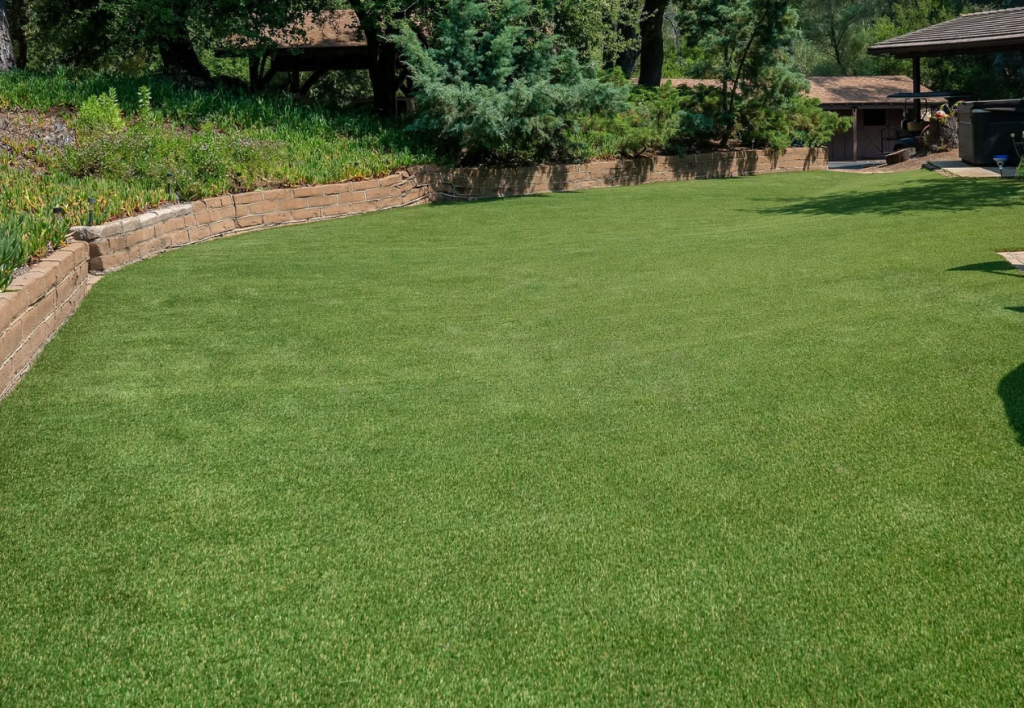
Artificial turf is designed as a durable surface and can be particularly useful in areas where homeowners want a consistently usable lawn. It can work well for play areas, pet spaces, putting greens, and other outdoor areas where maintaining a uniform surface is important.
Installation quality matters with either choice. A natural lawn depends heavily on proper soil preparation, grass selection, irrigation, and maintenance. Artificial turf depends on proper base preparation, drainage, seams, edging, and installation techniques.
For San Diego properties, the best option is often the one that matches the intended use of the space rather than simply choosing the lowest-maintenance material.
There is no single answer that applies to every San Diego property.
Natural grass may be a good fit for homeowners who enjoy maintaining a living lawn, want the feel of real grass, and are willing to manage irrigation and seasonal maintenance. Different grass varieties also have different water requirements, so selecting an appropriate species and maintaining an efficient irrigation system can make a meaningful difference.
Artificial turf may be a better fit for homeowners who want a consistently green lawn without regular mowing and routine irrigation. It can also be useful for homeowners designing specific outdoor spaces, such as pet-friendly areas, putting greens, or high-use backyard spaces.
It is also worth looking beyond the lawn itself. San Diego homeowners may choose a combination of artificial turf, pavers, planting areas, trees, and other landscape elements to create a yard that balances appearance, usability, and water-conscious design.
The goal is not simply to choose between “fake grass” and “real grass.” It is to create an outdoor space that makes sense for the property’s conditions and how the homeowner wants to use it.
When comparing artificial turf and natural grass, start by considering a few practical questions: How often will the area be used? How much time do you want to spend maintaining it? Is reducing lawn irrigation important to you? Will pets or children regularly use the space? Do you want a traditional living lawn or a consistently green surface?
San Diego’s emphasis on water conservation makes lawn planning especially important. The City of San Diego currently offers information on water-saving landscape practices and turf replacement programs, while the County of San Diego also provides resources for homeowners considering landscape changes.
For homeowners who want the appearance and usability of a lawn without the regular watering and mowing associated with natural grass, professionally installed artificial turf can be a practical option. Evo Turf & Pavers helps San Diego homeowners design outdoor spaces with artificial turf and custom paver installations, including pet-friendly lawns, putting greens, patios, driveways, and walkways.
If you’re considering artificial turf for your San Diego home, Evo Turf & Pavers can help you create an outdoor space designed around your needs. From pet-friendly lawns and backyard putting greens to custom turf and paver installations, our team can help bring your vision to life.
Ready to explore your options? Contact Evo Turf & Pavers today to discuss your project and get started on a lawn you’ll enjoy year-round.